Progress Dashboard
The Growing Together: Advancing Housing Solutions for Workers in West Marin report was released in September 2024. It identified a number of key findings — an insufficient supply of quality affordable housing; rental housing that is in poor condition, unaffordable, and/or inaccessible; significant policy, economic, and community challenges that are barriers to housing development; and the critical need to bring the voices and lived experiences of West Marin’s Latino community to the table to find solutions.
Importantly, the report also recommended taking action across four priority areas — rehabilitating existing substandard rental housing, maximizing existing housing and develop new housing, increasing tenant protections and safety net services, and building public and political will for change.
The dashboard below has been developed to track progress by the Coalition for Housing All Workers and Their Families in advancing action on these recommendations. It shows which initiatives have been completed, are currently in progress, are ongoing efforts, or have not yet been started. This dashboard reflects our collective commitment to creating safe, dignified, affordable housing for the workers and families who are essential to West Marin's vibrant communities.
The Coalition will be reviewing progress annually and prioritizing specific recommendations for each upcoming year, ensuring that resources and efforts are directed toward the most urgent and feasible actions.
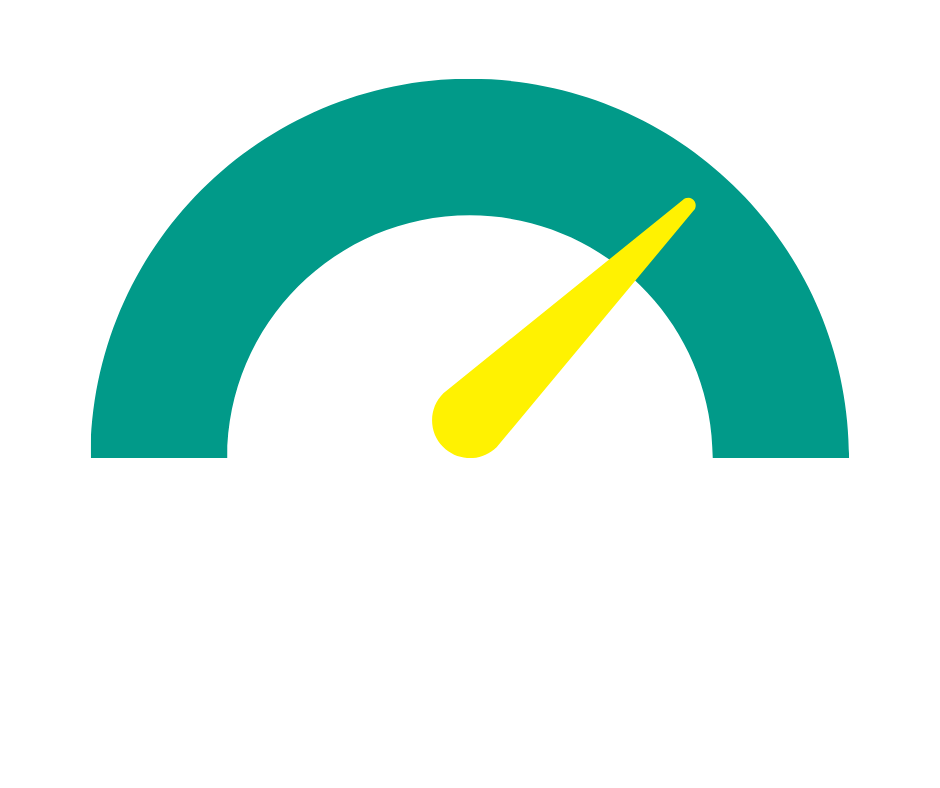
of recommendations completed, in progress, or ongoing.
73%

Progress updated as of February 2026
Rehabilitate Existing Substandard Rental Housing
1.1|IMPROVE SUBSTANDARD HOUSING ON RANCHES
-
The Marin Agricultural Land Trust is exploring this.
-
The Community Land Trust Association of West Marin is exploring this.
-
1.2|SUPPORT RESIDENTS LIVING IN OR DISPLACED BY SUBSTANDARD HOUSING CONDITIONS
-
The Community Land Trust Association of West Marin and West Marin Community Services have met with affected residents and continue to do so.
-
The Community Land Trust Association of West Marin (CLAM) and Marin County are developing 14 units of interim housing in Point Reyes Station for displaced families.
CLAM is in negotiations for another West Marin site that could house around 10 households. CLAM has also been able to place 5 households directly into permanent housing.
In partnership with West Marin Community Services, West Marin Fund (WMF) launched Neighbors-for-Neighbors, a community-based bridge housing program that connects displaced households with temporary space with local homeowners. 2 families have been housed to date.
WMF has been leading the planning to renovate the Olema rectory to create shared housing.
-
Marin County is providing over $8.5M in State Encampment Resolution Funds for supportive services and operations as well as preparation for the construction of up to 27 new permanent housing units. Additional funds of more than $1.2M each from the County and Marin Community Foundation were provided for the initial site infrastructure and operations.
-
All seashore households facing displacement are eligible for Transition Support Payment (TSP) based on 18 months of Marin County fair market rent by household size. TSP funding is provided by The Nature Conservancy and administered by West Marin Community Services (WMCS) and Associated Right of Way Services. Housing case management support is available to all displaced households from WMCS and North Marin Community Services.
The Community Land Trust Association of West Mari is actively developing multiple affordable housing options but will need more time to complete them in order to avoid household displacement from West Marin.
1.3|ENSURE ROUTINE INSPECTION OF HOUSING ON RANCHES
1.4|SIMPLIFY THE REGULATORY AND PERMITTING PROCESS FOR HOUSING REHABILITATION
-
The Marin County Community Development Agency has a number of staff dedicated to moving projects forward through the planning process, including a permit ombudsperson and a designated planner for agricultural-related projects.
-
The County is in the process of updating plans and guidelines that impact residential development in West Marin and the Coastal Zone to create more ministerial/flexible approval processes, including updates to the Local Coastal Plan, related Development Code updates, and the County’s septic regulations through the Local Agency Management Plan.
-
Maximize Existing Housing and Develop New Housing
2.1|INCENTIVIZE USE OF EXISTING HOUSING FOR LOCAL WORKERS
2.2|IDENTIFY AND SECURE LAND FOR HOUSING
-
The County of Marin has begun outreach process for updating the coastal land use plan and coastal zoning code with expected adoption in Summer 2026. The County and Marin Community Foundation have been meeting with potential Community Development Financial Institutions to provide additional housing finance opportunities.
-
Marin County and Marin Community Foundation met with several large affordable housing developers and toured several possible sites. The current tax credit scoring criteria and process make it very difficult to find competitive spots in West Marin, but they are still trying.
-
Marin Agricultural Land Trust has met with owners and identified parcels, but it needs Marin County to provide development incentives for adding affordable units and more flexibility in terms of infrastructure and building type requirements.
2.3|INCREASE ACQUISITION, DEVELOPMENT CAPACITY AND FUNDING
-
We supported a housing bond measure in 2025, but it was pulled from ballot. Marin Community Foundation provided three-year funding for Call Marin Home, a coalition that includes several West Marin Community Land Trusts and has a goal of increasing available funding. Call Marin Home will coordinate support for future bond measures. Marin County continues to allocate a portion of its general fund for affordable housing.
-
Marin Community Foundation (MCF) provided funds for technical assistance to the Community Land Trust Association of West Marin for its interim housing work. MCF and West Marin Fund provided funds to the West Marin Housing Collaborative to increase coordination and capacity of its community land trust (CLT) members. Marin County is working with San Francisco CLT to provide technical assistance to CLTs in Marin County.
-
BoLinda Vista’s interim housing phase is now fully funded, and work on developing sources for permanent housing development is underway.
Coast Guard Housing received over $9M in funds from County and $1M from MCF to make it competitive for State funding. The State of California awarded $11.5M in funds designated for extremely low-income agricultural workers to the project. A federal tax credit application will be submitted soon with the hope of construction in 2027 and occupancy in 2028.
-
The Community Land Trust Association of West Marin approved priority for displaced households in its upcoming interim and permanent housing units, particularly for those households living in units with major health/safety violations, with medical conditions, and/or with children.
2.4|REFORM ZONING AND LAND USE TO ENCOURAGE HOUSING
-
Updates to the Local Coastal Plan and related Development Code updates are underway to encourage and incentivize more affordable housing development in West Marin and the Coastal Zone.
-
Senate Bill 484 was signed into law in October 2025. It requires the Coastal Commission to help identify areas in coastal communities to try and make it easier to build more affordable housing, including exempting projects in those zones from needing a coastal development permit.
-
Updates are being made to the Local Coastal Plan to incorporate Marin’s 2023-2031 Housing Element to streamline affordable housing. Updates include the incorporation of Housing Element sites under the County’s Housing Overlay Designation to allow ministerial review.
-
Two large-scale septic systems are being explored in West Marin, including at the Point Reyes Coast Guard property and BoLinda Vista in Bolinas. Additionally, the County is beginning the process of updating local septic regulations through the Local Agency Management Plan to explore additional opportunities and solutions.
-
The County has hired Questa to update its Local Area Management Plan for approval by the State Regional Water Board. This will allow the County to approve newer technologies, adjust design assumptions, and recognize the constraints of local landscapes — all of which could enable more housing units on existing and new sites. The County is in the process of engaging with the community and gathering feedback through summer 2026 and anticipates submitting for approval to the Board of Supervisors and Regional Water Quality Control Board by late 2026, with implementation to follow through 2027.
2.5| SUPPORT AFFORDABLE HOMEOWNERSHIP
-
-
Bolinas Community Land Trust has partnered with Habitat for Humanity on a new 8-unit development in downtown Bolinas and is exploring home ownership options through Habitat and Self-Help Enterprises for BoLinda Vista residents interested in ownership.
Increase Tenant Protections and Safety Net Service
3.1|STRENGTHEN TENANT PROTECTIONS IN UNINCORPORATED MARIN COUNTY
-
-
Legal Aid of Marin has provided several workshops in West Marin.
-
Legal Aid of Marin has provided some support, increasing its bilingual staffing and presence in West Marin. More expertise and time is still needed around employment and immigration issues, in particular.
-
3.2|FORMALIZE TENANCIES FOR AGRICULTURAL WORKERS AND THOSE LIVING ON RANCHES
3.3|INCREASE SAFETY NET SERVICES
-
With funding from West Marin Fund, West Marin Community Services has established a Housing Action Fund to provide emergency rental assistance and financial support related to moving expenses for displaced households outside the Seashore.
With funding from The Nature Conservancy, West Marin Community Services provides Transition Support Payments for households displaced from the Seashore.
-
The West Marin Housing Collaborative has designed a program and plans to launch it by mid-2026.
-
West Marin Community Services leads the West Marin Immigration Rapid Response Network (WMIRRN) in coordination with the Marin Rapid Response Network. WMIRRN provides Know Your Rights and Legal Observer trainings in English and Spanish. They connect immigrant families with emergency preparedness training and provide resources to local businesses on how to prepare for ICE raids. WMIRRN also operates a 24/7 hotline for community members to report ICE sightings and to send community alerts about ICE presence.
-
As part of the Coalition on Housing All Workers and their Families, Marin County and West Marin Fund convene the Transition and Stability Workgroup to coordinate services for families facing displacement. This has resulted in a shared service mapping tool and biweekly case management group meetings that clarify referrals, align organizations, and prevent families from falling through the cracks. By engaging both service providers and affected community members, the initiative strengthens collaboration, addresses gaps, and sustains a promising regional model for coordinated, wraparound support.
-
Marin County awarded West Marin Fund $300k to enhance economic opportunities and access to supportive services through the Workforce Stability Fund. West Marin Fund, together with Marin County, Workforce Alliance of the North Bay, and the Small Business Development Center of Marin, convenes the Economic Vitality Workgroup. The workgroup coordinates workforce and income opportunities for displaced families, resulting in initiatives like Emprende West Marin, career advising partnerships, and the West Marin Jobs Hub. These efforts provide small business incubation, peer outreach, and a centralized platform for local job opportunities.
* These recommendations were added by Coalition stakeholders after the housing solutions report was released to meet the increased needs of displaced families and workers.
Build Public and Political Will
4.1|INVEST IN LATINO LEADERSHIP DEVELOPMENT
-
West Marin Community Services’s Abriendos Caminos is providing leadership development, and the West Marin Organizing Project is providing community organizing training.
-
One session is complete; more sessions to come.
-
One session is complete; more sessions to come.
4.2|INCREASE LATINO COMMUNITY ORGANIZING AND POWER BUILDING
-
Two years of funding has been allocated by the Marin Community Foundation ($225K per year) and West Marin Fund ($50K per year) to the support the newly created West Marin Organizing Project. A contract lead coach/trainer and a full-time organizer have been hired, and recruitment is underway for additional organizers.
Familias Afectadas de Rancho (FAR) has been established to advocate for Seashore residents and is now becoming part of the larger West Marin Organizing Project umbrella. Substantial early successes of FAR's organizing work include residents speaking at Board of Supervisors meetings to advocate for funding, policies, and specific projects; advocating for longer time frames for residents to secure new housing and higher payout amounts; and raising more than $160K for the 10 Seashore ranch employees to ensure equitable and fair severance payments.
-
We are learning from and/or working with groups in Marin, Sonoma, and San Mateo County currently.
-
Numerous articles and op-eds have been published in the Point Reyes Light and the Marin Independent Journal.
-
4.3|EDUCATE AND ACTIVATE WEST MARIN HOMEOWNERS, RESIDENTS, AND THE BROADER PUBLIC
-
More than 15 presentations were made to local, regional, and statewide audiences, including community town halls in Point Reyes and Tomales; panels at Nonprofit Housing of Northern California conference and California Rural Funders Group; and County of Marin Board of Supervisors. More than 30 media stories were published on the report and/or citing its data.
-
4.4|INSPIRE ELECTED OFFICIALS, GOVERNMENT STAFF, PRIVATE FUNDERS, AND NONPROFITS TO TAKE ACTION
-
The Coalition for Housing All Workers and Their Families working groups have developed specific goals from the recommendations, and members made commitments for specific actions to complete.
-
This dashboard was developed and updated on website as of February 2026.
-
Regular stories have been published in the Point Reyes Light; in newsletters put out by local community land trusts, West Main Fund, and District 5; and other sources. Stories have also been posted on the this website.